
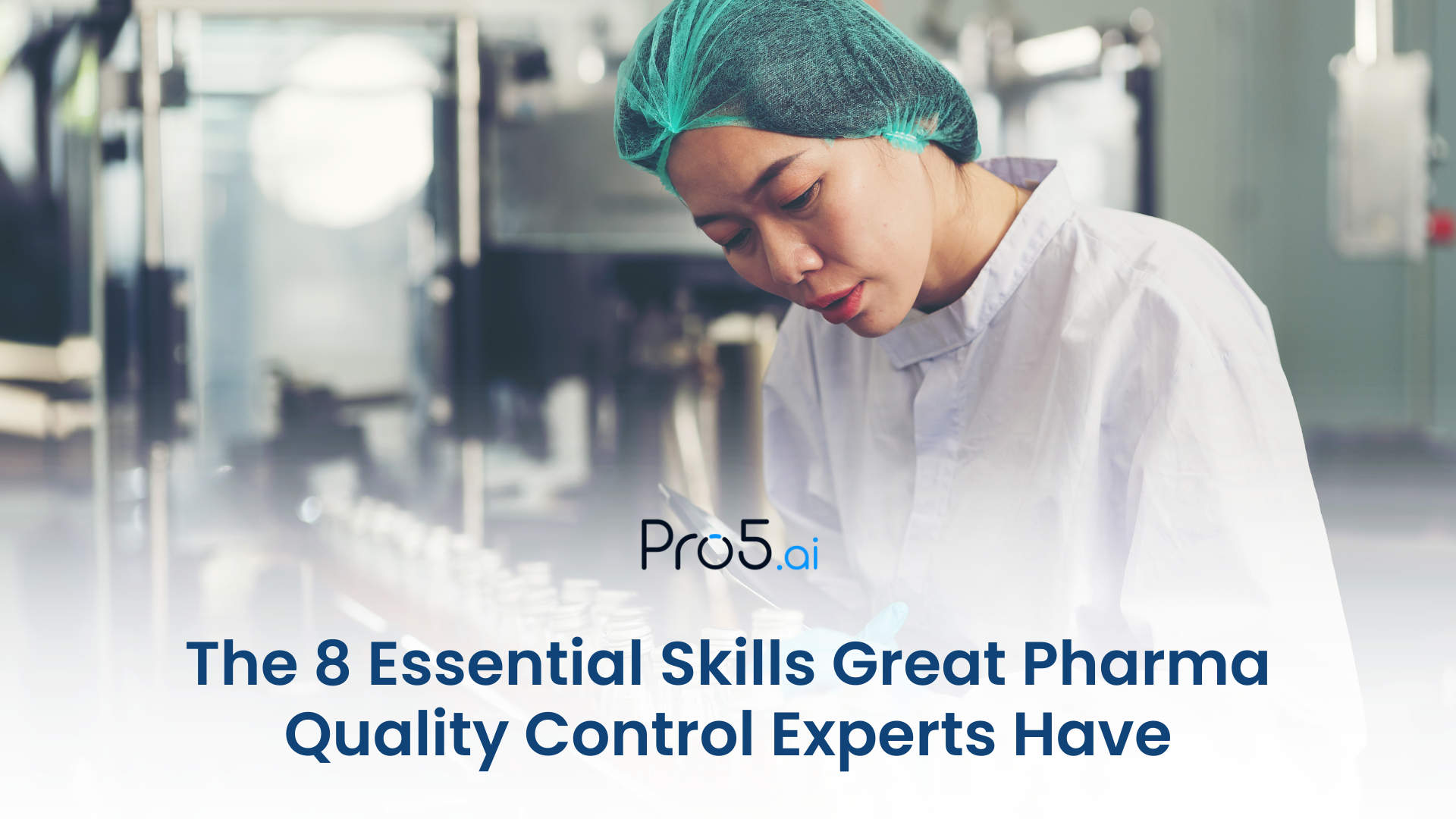
Quality control is the backbone of pharmaceutical manufacturing, ensuring that every product released is safe, effective, and compliant with strict regulatory standards. A skilled Pharma Quality Control (QC) expert goes beyond routine testing—they analyze data, validate processes, and implement improvements that protect patients and support regulatory compliance. Their work guarantees that pharmaceutical products consistently meet the highest standards, safeguarding public health and organizational reputation.
1. Analytical Proficiency
Proficiency in laboratory techniques and analytical instrumentation is crucial. QC experts must accurately perform tests, measure chemical and biological properties, and ensure that results are reliable. Strong analytical skills enable them to detect deviations early, preventing compromised product quality.
2. GMP & Regulatory Knowledge
A thorough understanding of Good Manufacturing Practices (GMP) and global regulatory requirements ensures that quality processes align with legal and industry standards. QC experts use this knowledge to maintain compliance, pass audits, and support smooth product approvals.
3. Attention to Detail
Precision in testing, documentation, and process monitoring is essential. QC specialists meticulously check every step of the production process to detect even minor discrepancies, ensuring that all products meet strict quality criteria.
4. Problem-Solving Abilities
The ability to identify and resolve quality issues quickly is critical. QC professionals develop corrective and preventive actions (CAPAs) to address deviations, troubleshoot equipment or process failures, and maintain consistent product integrity.
5. Data Analysis & Interpretation
QC experts must translate raw testing data into actionable insights. Using statistical tools and trend analysis, they identify patterns, assess product performance, and support data-driven decisions that enhance quality and efficiency.
6. Process Validation & Calibration
Ensuring that production processes consistently deliver the intended results requires expertise in process validation and equipment calibration. QC professionals verify that manufacturing systems operate within defined parameters, maintaining reliability and compliance.
7. Communication Skills
Clear communication is vital for reporting findings, coordinating with cross-functional teams, and explaining complex quality issues to management or regulatory authorities. Effective communication ensures that quality standards are understood and consistently applied.
8. Continuous Learning & Adaptability
The pharmaceutical landscape evolves rapidly, with new technologies, methods, and regulations emerging constantly. QC experts who stay current and adapt quickly can implement best practices, improve processes, and maintain a competitive edge in quality assurance.
Conclusion
A skilled Pharma Quality Control expert, equipped with these essential skills, is instrumental in transforming quality assurance into a strategic advantage. Their expertise ensures that pharmaceutical products are consistently safe, effective, and compliant, fostering patient trust and enhancing organizational reputation. Investing in top-tier quality control talent is a strategic move toward achieving excellence in pharmaceutical manufacturing, operational efficiency, and long-term business success.
Take your pharma quality control career to the next level with Pro5 and explore opportunities where your expertise in testing, compliance, and process improvement can ensure product excellence while advancing your professional growth.